
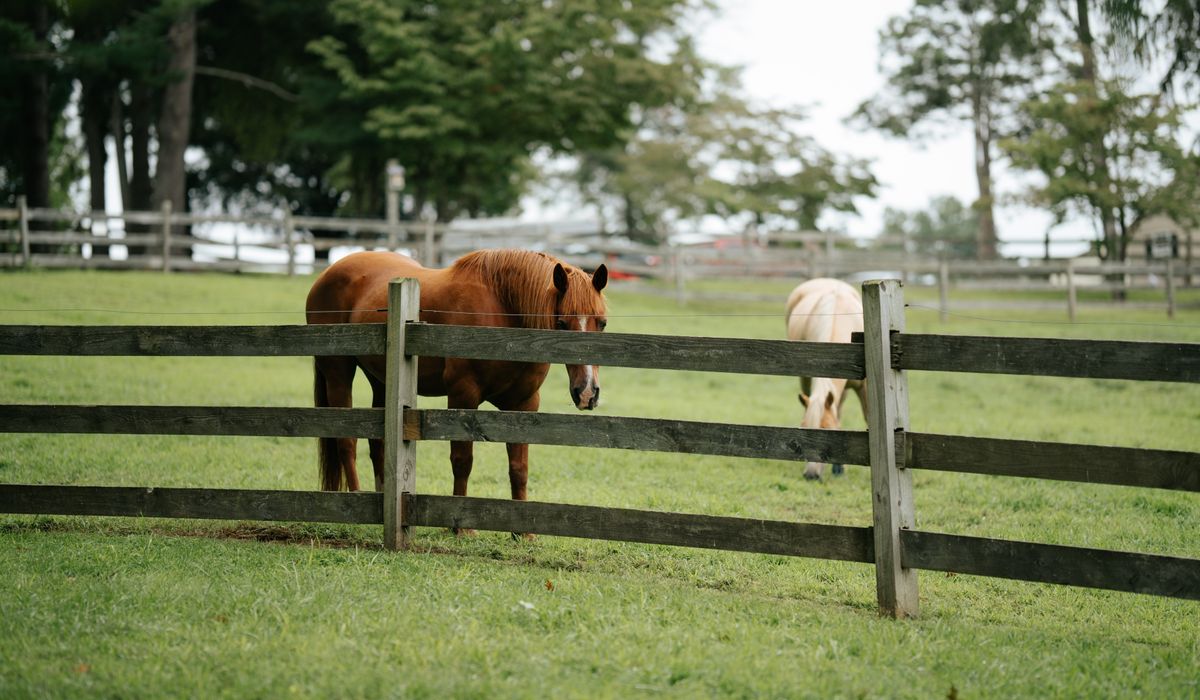
Understanding Equine Colic Signs and When to Call
What Colic Really Means for Your Horse
Colic is not a disease in itself but a sign of abdominal pain, and it can range from a mild, transient discomfort to a life-threatening emergency. Every horse owner in the UK will likely encounter it at some point, whether it is a bout of gas after a frosty morning turnout or something far more serious such as a twisted gut. The word strikes fear into even the most experienced equestrian, and rightly so. Understanding what you are looking at, and acting quickly, can make all the difference to your horse’s outcome. The key is not to diagnose the cause yourself, but to recognise the signs and know when to pick up the phone to your veterinary surgeon.
Early Signs You Might Spot on the Yard
Colic often begins with subtle changes that are easy to miss during a busy morning routine. Your horse might be slightly off their hard feed, or standing apart from their field mates. As a prey animal, horses are good at hiding discomfort, so you need to watch for behaviour that is out of character. Common early signs include:
- Pawing at the ground or repeatedly shifting weight
- Looking at, kicking at, or biting the flank
- Lying down more than usual, or getting up and down repeatedly
- Stretching out as if to urinate
- Loss of appetite, even for a favourite treat
- Restlessness, sweating, or a dull, withdrawn expression
- Rolling, especially if it is repeated or unusually vigorous
Some horses will simply be quieter than normal. Others may pace the fence line or curl their lip. A single roll after a good roll in the mud is normal, but repeated rolling that interrupts eating or resting is a red flag. Trust your instincts: you know your horse better than anyone.
When to Call the Vet Without Delay
You should contact your vet immediately if any of the following apply. Do not wait to see if things improve on their own, and do not try to treat the problem yourself with borrowed medication.
- The signs have persisted for more than 30 minutes, or are getting worse
- Your horse is rolling violently or throwing themselves down
- There is no passing of droppings, or droppings have stopped for several hours
- Your horse is sweating profusely, breathing rapidly, or has a racing pulse
- They are unresponsive to you, or appear to be in extreme pain
- You notice a swollen or distended abdomen
- Your horse has a history of colic or previous surgery
When you call, be ready to describe the signs, when they started, and what your horse has eaten in the last 24 hours. The vet may ask you to check gum colour, capillary refill time, or gut sounds, but only if you feel confident. The most important thing is to make the call. Early veterinary intervention is often simpler, less invasive, and far more successful than waiting until a mild colic becomes a surgical emergency.
What to Do While You Wait for the Vet
While you wait, keep yourself and your horse safe. If your horse is rolling dangerously, try to encourage them to stand and walk gently in hand, but do not put yourself at risk of being crushed or kicked. Remove any hay and hard feed from the stable, but leave fresh water available unless your vet advises otherwise. Do not administer painkillers, oils, or any other treatment without veterinary guidance, as these can mask symptoms and complicate diagnosis.
Note down the time each sign started and any changes you observe. If your horse is stabled, keep the environment calm and quiet. Have your horse’s passport, insurance details, and a headcollar and lead rope ready. If your vet recommends referral to a hospital, having transport arrangements in mind will save precious minutes. Stay with your horse if it is safe to do so, but never put yourself in harm’s way.
Everyday Habits That Reduce the Risk
While not all colic is preventable, good management goes a long way. The British climate, with its rich spring grass, frosty mornings, and variable turnout, can pose particular challenges. Keep these habits in mind:
- Provide constant access to clean, unfrozen water, both in the stable and field
- Feed plenty of forage, split into small meals if needed
- Turn out as much as possible, with company if your horse is sociable
- Make any feed or hay changes gradually over at least a week
- Keep up with routine dental care and worming programmes
- Avoid sudden stress, such as changes in routine or long trailer journeys on an empty stomach
- Be extra vigilant during spring grass flushes, frosty mornings, and after extreme weather
Regular exercise, a consistent routine, and close observation are your best tools. A horse that is watched daily is far more likely to have subtle changes noticed early.
Trust Your Gut Feeling
If you are ever unsure, call your vet. It is far better to ring for advice and be told to monitor for an hour than to wait until your horse is in severe distress. Veterinary practices would much rather see a horse early, when treatment is straightforward, than be called out to an emergency that has been developing for hours. Colic can be unpredictable and frightening, but you are not alone. Your vet, your yard friends, and your own careful observation are all part of the team. Keep calm, act quickly, and never feel embarrassed about seeking help. Your horse depends on you to make that call.
tag: Equine Health

Emily Hartley Author
A well-fitted bridle avoids pressure points and rubbing. Check browband, noseband and bit height with clean hands and patience.
YOU MAY ALSO LIKE
How to Fit a Bridle Correctly for Comfort
Sep 8
10Wear high-visibility clothing, ride single file and thank drivers. Plan routes away from busy times and check traffic conditions before setting out.
read more
Safe Hacking on British Roads: A Rider's Checklist
Sep 5
10Mud fever causes scabs and swelling on lower legs. Keep skin dry, use barrier creams and seek veterinary advice for severe or spreading cases.
read moreHorse Care
-

ERRIC CATONA
Straw, shavings and pellets each offer different absorbency and cost. Consider storage, disposal and horse allergies before making your choice.
May 19, 2016 at 5.12 pm
Reply
ERRIC CATONA
Introduce new horses over a fence first to reduce injury risk. Monitor behaviour closely and provide plenty of space and hay.
May 19, 2016 at 5.12 pm
Reply -
ERRIC CATONA
Horses can overheat when rugged too heavily in mild British winters. Check ears and armpits, and adjust layers as temperatures change daily.
May 19, 2016 at 5.12 pm
Reply
Stable Management
Your email address will not be published.