
Fly Control Strategies for Stable and Paddock
Why Flies Are More Than a Nuisance
Anyone who has kept a horse through a British summer knows the drill: you step into the stable on a warm July morning and the air is thick with flies. It is tempting to treat them as an unavoidable irritation, but the truth is that flies are a genuine welfare issue. They cluster around the eyes, causing discharge and soreness, they irritate sweet itch-prone skins into a frenzy of rubbing, and they can transmit infections from one horse to another. Left unchecked, a heavy fly burden can leave a horse miserable, restless and losing condition.
The good news is that fly control is not about a single miracle product. It is about layering several sensible habits so that flies never find the conditions they need to thrive. Get the basics right and you will notice the difference within a fortnight.
Break the Lifecycle Before It Starts
Every fly you swat in August began as an egg laid in something damp and rotting in July. Muck heaps, wet bedding, soggy hay spillage and stagnant water are all perfect nurseries. This is why removal matters far more than spraying.
- Skip out and muck out daily. Remove wet bedding and droppings every morning, not every other day. Flies can complete a generation in as little as a week in warm weather, so a skipped day is a fresh crop.
- Keep the muck heap well away from the yard. Site it downwind and at least twenty metres from stables and paddock gateways, and ask your contractor to clear it regularly through the summer.
- Cover or contain loose muck. A tarpaulin over the heap, or a proper muck trailer with a lid, reduces the surface area where flies can breed.
- Clear damp organic matter elsewhere. Wet hay at the back of the store, spilt feed under the bin, soggy shavings behind the door — all of it counts.
If you poo-pick the paddock at least twice a week in high summer, you also break the worm cycle at the same time, which is a welcome bonus for the effort.
Water, Drainage and the Damp Corners
Standing water is the single most overlooked breeding site on many yards. Old tyres, wheelbarrows, water butt lids and blocked gutters all collect rainwater and quietly produce thousands of flies. Take a walk around the yard after rain and empty anything that holds water.
Water troughs deserve particular attention. Clean them out weekly, scrubbing the sides rather than simply topping them up, because algae and debris on the walls attract flies and sour the water. Automatic drinkers should be checked for leaks and the surrounding ground kept firm so it does not turn into a bog. Fix guttering, clear drains and consider a gravel apron around taps and troughs to keep mud and moisture at bay.
Protecting the Horse Itself
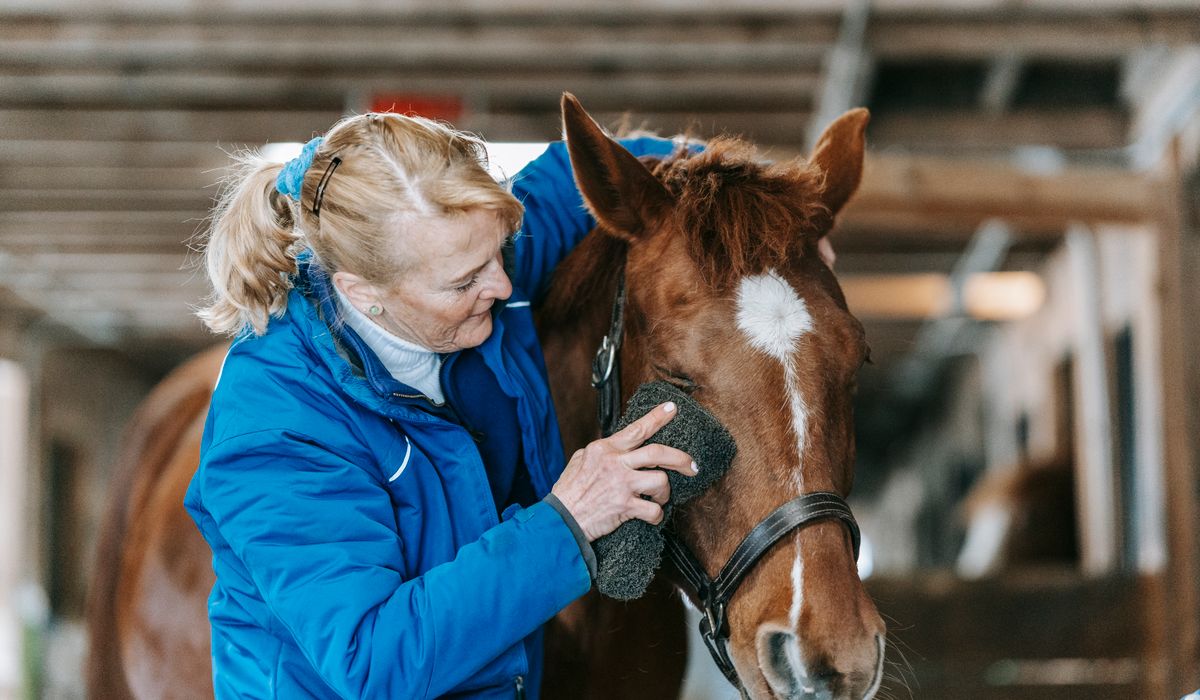
Physical barriers are the most reliable defence and, unlike repellents, they don't wash off or need reapplying. A well-fitted fly rug with a belly flap and neck cover will spare a horse hours of stamping and tail-swishing, and it is essential kit for anyone managing sweet itch.
- Fly masks protect eyes and ears. Check the fit daily — a rubbed eye or a mask that has slipped is worse than none at all.
- Fly rugs should be breathable and light-coloured for hot weather. Have two so one can be washed while the other is worn; a dirty rug attracts flies rather than repelling them.
- Repellents work best as a top-up. Patch-test any new product on a small area first, and follow the label for reapplication times.
- Stable fans and screens keep air moving. Flies are weak fliers, so a gentle breeze is a genuine deterrent.
Remember that some horses react badly to certain ingredients, particularly those with sensitive pink skin. If in doubt, ask your vet before trying something new.
Stable Management Through the Season
A stable that smells fresh is usually a stable with few flies. Good ventilation, dry bedding and clean walls do more than any aerosol. Wipe down surfaces and window ledges weekly, and pay attention to the areas flies love that are easy to forget: the underside of the door frame, feed room shelving, and the corners behind bins.
Sticky traps and electric traps can help in enclosed spaces, but place them out of reach of horses and check them often. Never use insecticide sprays near feed, water or hay, and always remove the horse before treating a stable.
Feeding a supplement or adding garlic and cider vinegar to the feed is a popular tradition, though results vary from horse to horse. It is worth trying alongside the practical measures rather than instead of them.
Paddock and Turnout Tactics
Out in the field, timing is everything. Flies are most active in the warmest, stillest parts of the day, so turning out overnight or in the early morning can dramatically reduce the burden. Avoid grazing horses close to woodland edges, streams or boggy ground, and keep field shelters clean and dry inside.
Grouping horses helps too — a herd swishes more tails between them — but do ensure there is enough shade and space for every horse to get away from the others. Rotating paddocks, harrowing in dry weather and resting poached areas all reduce the damp, mucky conditions that flies favour.
Finally, be consistent. Fly control is a routine, not a one-off job, and the yards that stay comfortable all summer are simply the ones that do the small jobs every day. A few minutes with the wheelbarrow each morning is worth more than a cupboard full of sprays.
tag: Yard Life

Oliver Radcliffe Author
Lunging builds fitness and obedience without a rider. Use a properly fitted cavesson, gloves and a lunge whip, and work equally on both reins.
YOU MAY ALSO LIKE
How to Lunge a Horse Safely and Effectively
Jul 27
10Regular dental checks prevent pain and weight loss. Signs of trouble include quidding, head tossing and difficulty chewing hay or hard feed.
read more
Understanding Horse Dental Care and Floating
Jul 25
10Teach your horse to stand quietly for hoof handling. Clean legs beforehand, tie up safely and have treats ready to reward good behaviour.
read moreHorse Care
-

ERRIC CATONA
Hay quality affects digestion and respiratory health. Look for sweet-smelling, dust-free bales and match energy content to your horse's workload.
May 19, 2016 at 5.12 pm
Reply
ERRIC CATONA
Autumn rain can turn paddocks muddy. Rest gateways, use grass mats and remove fallen leaves to protect grazing and hoof health.
May 19, 2016 at 5.12 pm
Reply -
ERRIC CATONA
A well-stocked first aid kit includes bandages, wound gel, thermometer and scissors. Keep it clean, accessible and check expiry dates regularly.
May 19, 2016 at 5.12 pm
Reply
Stable Management
Your email address will not be published.