
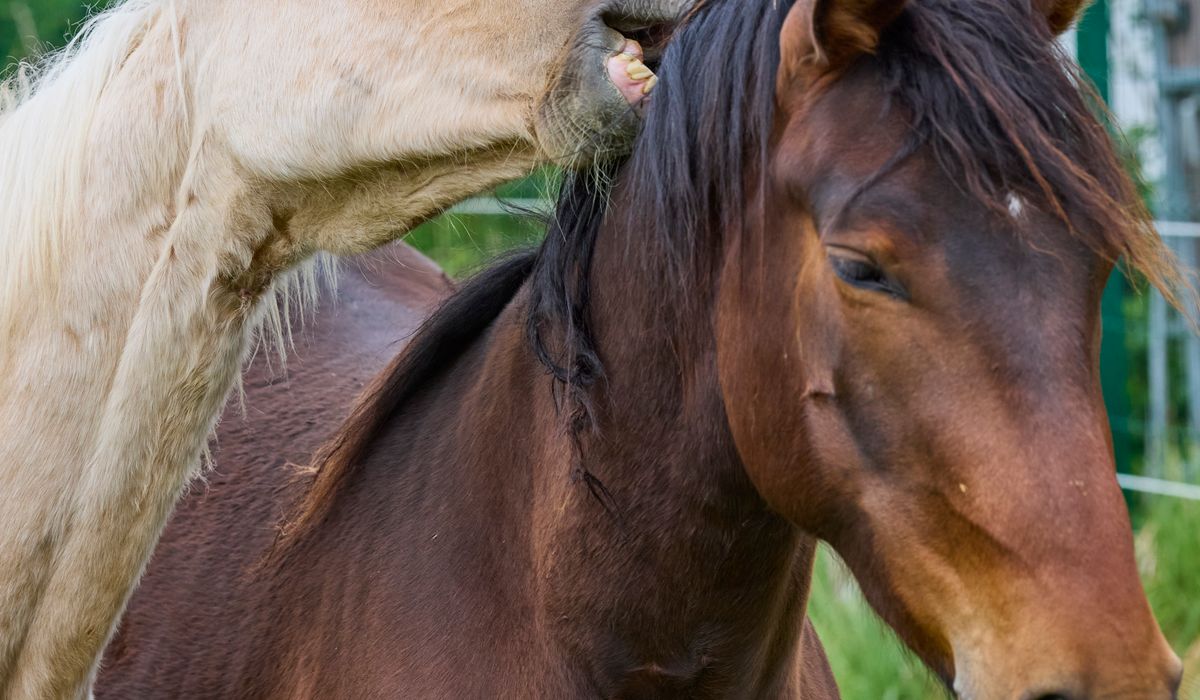
Preparing Your Horse for the Farrier Visit
A farrier visit is a routine part of horse ownership, but it can quickly become stressful if your horse refuses to stand still or snatches its hooves away. With a little preparation, you can turn shoeing or trimming into a calm, safe experience for everyone. The key is to teach your horse to stand quietly for hoof handling, clean its legs beforehand, tie up safely, and have treats ready to reward good behaviour.
Why Groundwork Between Visits Matters
Your farrier has a skilled but physically demanding job. They need to lift and hold each hoof for several minutes, often while using sharp tools and applying shoes. A horse that leans, kicks, or pulls away makes that job dangerous and can lead to a poor trim or a lost shoe. Regular, gentle practice at home builds the trust and balance your horse needs. Don't wait until the farrier arrives to handle hooves — aim for ten minutes of quiet groundwork three or four times a week. This is not about dominance; it is about teaching your horse that having its feet handled is safe and predictable.
Teaching Your Horse to Give a Hoof
Start with the front legs. Run your hand slowly down the shoulder and forearm, then gently squeeze the tendon above the fetlock to ask for a lift. Hold the hoof for just a few seconds at first, then place it down gently — never drop it. Praise or reward. Gradually increase the time you hold each hoof to a minute or more, which mimics what the farrier needs. Use a hoof stand if you have one, resting the hoof on it as a farrier would. Tap the hoof wall lightly with a hoof pick or rasp to simulate the tools they will use. For hind legs, stand to the side rather than directly behind, and support the hoof without pulling it outwards. Work on both sides equally, as many horses are stiffer on one side. If your horse snatches or leans, go back to shorter holds and build up again. Patience always beats force.
Clean Legs and Hooves Beforehand
A clean leg helps your farrier see exactly what they are working with. The day before, or the morning of the visit, wash your horse's legs with warm water and a mild soap — baby shampoo or a gentle equine wash is fine. Use a soft brush to remove mud and grit, then dry thoroughly with a towel. Pick out each hoof, scrubbing the sole and frog with a stiff brush. Check for heat, swelling, cuts, or discharge and note any thrush or mud fever.
- Look for a strong, unpleasant smell — a sign of thrush.
- Feel for heat in the hoof wall or coronary band.
- Press gently along the sole to check for tenderness.
- Examine the heels for cracked or greasy skin (mud fever).
If you spot an abscess or a deep crack, tell your farrier before they start. Clean hooves also mean less dirt falling into nail holes, which reduces the risk of infection. If your horse has heavy feathers, consider trimming or plaiting them out of the way, but never cut them short without advice.
Tying Up Safely and Setting the Scene
Tie your horse to a solid post or rail at roughly head height, using a quick-release knot or a safety tie. Never tie to a gate, a loose fence, or anything that could break or move. Leave about 60–75 centimetres of rope so the horse can lower its head but not step over the line. The surface should be level and non-slip — concrete or rubber matting is ideal. Remove distractions: other horses crowding, feed buckets, or noisy machinery. If your horse is anxious, ask a calm friend to hold a lead rope rather than tying up. In summer, apply fly spray before the farrier arrives. A haynet can keep a greedy horse occupied, but avoid feeding concentrates in the hour before the visit, as sugar and starch can make some horses fidgety. A clean, well-lit yard or stable with room to work safely makes the farrier's job much easier.
Using Treats and Rewards Wisely
Positive reinforcement works wonders, but timing matters. Have a bucket of small treats ready — chopped carrots, apple slices, or a handful of pony nuts. Reward your horse after each hoof is finished, not while the farrier is holding a leg or using a rasp. A calm "good boy" and a treat when all four hooves are done helps your horse associate the farrier with something pleasant. Never let your horse mug you for treats; ask for a step back or a quiet stand first. If your farrier prefers no treats, respect that, but you can still offer praise. Some horses respond better to a scratch on the withers than food. Whatever reward you choose, be consistent so your horse knows what to expect.
What to Do If Your Horse Struggles
If your horse snatches, kicks, leans, or panics, do not punish it. Punishment increases fear and makes the next visit worse. Stop, take a break, and go back to basics with shorter holding times. For a horse with genuine fear or pain, speak to your vet about a mild sedative for the next visit while you work on training. Never force a hoof to stay up — that risks injury to you, your horse, and your farrier. If problems persist, ask an experienced instructor or equine behaviourist for help. Remember that regular farrier visits every six to eight weeks, or as your farrier advises, keep hooves healthy and build familiarity. End every session on a good note, even if that just means picking out one hoof calmly and calling it a day.
tag: Horse Care

Oliver Radcliffe Author
Hay quality affects digestion and respiratory health. Look for sweet-smelling, dust-free bales and match energy content to your horse's workload.
YOU MAY ALSO LIKE
Choosing the Right Hay for Your Horse
Jul 16
10Autumn rain can turn paddocks muddy. Rest gateways, use grass mats and remove fallen leaves to protect grazing and hoof health.
read more
Autumn Paddock Care: Preparing for Wet Weather
Jul 11
10A well-stocked first aid kit includes bandages, wound gel, thermometer and scissors. Keep it clean, accessible and check expiry dates regularly.
read moreHorse Care
-

ERRIC CATONA
Ice and debris stop horses drinking enough. Break ice twice daily, remove leaves and scrub troughs weekly to prevent algae and bacteria.
May 19, 2016 at 5.12 pm
Reply
ERRIC CATONA
Equine insurance can cover vet fees, liability and loss of use. Compare policies carefully and read exclusions before choosing cover for your horse.
May 19, 2016 at 5.12 pm
Reply -
ERRIC CATONA
Selecting a turnout or stable rug depends on clip, weather and horse breed. Learn layering and fit checks for comfort.
May 19, 2016 at 5.12 pm
Reply
Stable Management
Your email address will not be published.