
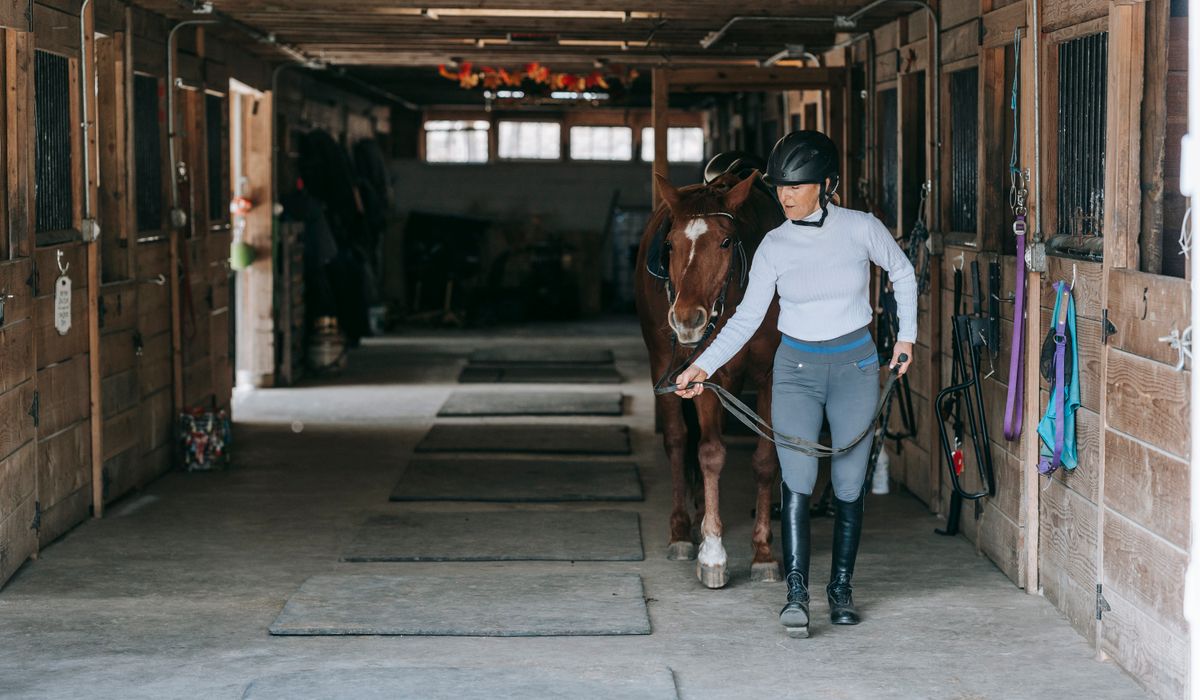
How to Introduce a New Horse to the Herd
Why Introductions Need Careful Planning
Horses are herd animals, and most are happier and calmer when they have company. But dropping a new horse straight into an established group is one of the quickest ways to end up with kicks, bites, and a vet bill. The resident herd already has its own hierarchy, routines, and grazing patterns, and a stranger arriving in the middle of the field disrupts all of it. Done properly, introductions take days or even weeks, but the payoff is a settled, stress-free herd that accepts the newcomer as one of its own.
Before you even think about turning horses out together, check the basics. The new horse should have completed any isolation period recommended by your vet, be up to date with worming and vaccinations, and be free from coughs, nasal discharge, or lameness. A horse that is already run down or anxious will struggle far more with the rough and tumble of meeting a new group.
Start with a Fence Between Them
The single most useful piece of advice for introducing a new horse is simple: let them meet over a fence first. A sturdy post-and-rail or electric fence line allows the horses to see, smell, and touch each other without being able to kick with real force or chase at speed. This "over the fence" stage might last a few hours or a few days, depending on how the horses react.
Set up a small paddock or a sectioned-off corner of the field so the new horse has his own space but shares a boundary with the herd. Make sure the fencing is solid — a panicked horse can go straight through poor fencing. Electric tape on top of a rail adds a useful deterrent. Watch how they behave:
- Calm interest: head lowering, gentle sniffing, mirrored grazing along the fence line. This is a good sign.
- Mild squealing and striking: common in the first hour, especially between mares and geldings. Usually settles.
- Persistent charging, biting over the fence, or a horse that will not settle: slow down and keep them separated for longer.
If any horse becomes distressed — pacing, sweating, box-walking the fence line — give the new horse a neighbour he can see but not touch, ideally a quiet, tolerant horse rather than the herd boss.
Choosing the Right Companion First
Not every horse should be the first to meet the newcomer. In most herds, one horse sits at the top and one at the bottom of the pecking order. Introducing the new horse to the most dominant individual first often results in the most aggressive reaction, because that horse has the most to defend.
Where possible, introduce the new horse to a calm, middle-ranking companion first, ideally in an adjacent paddock. Once those two are settled, introduce the pair to the wider group. This staggered approach spreads the stress out and gives the newcomer an ally before he faces the whole herd. It also gives you a chance to observe the new horse's temperament and confidence before the pressure is really on.
Turning Out Together: Space and Hay
When you finally turn them out together, choose a large field with plenty of room to run. Cramped paddocks force horses into each other's space and increase the risk of injury. A big field with varied terrain, a few sheltered corners, and more than one water trough means a horse being chased can find somewhere to escape. Ideally, remove hind shoes from the new horse and from any known kickers for the first few weeks.
Scatter several piles of hay well apart, at least one more pile than there are horses, so nobody has to fight for food. Forage is a great distraction and keeps horses busy with their heads down rather than staring each other out. Avoid feeding hard feed in the field during introductions — feed buckets are a common trigger for squabbles. If you need to feed, tie up or separate them at feed time.
Stay nearby for the first hour or two. Have a headcollar and lead rope to hand, and know where the gate is. Most introductions involve some squealing, a few strikes, and a short chase or two, and then the herd settles into grazing. It is the prolonged, relentless chasing that needs intervention.
Monitoring Behaviour in the Days That Follow
The first twenty-four hours are the most important, but the hierarchy often shuffles again over the following week or two. Check the group several times a day, at different times, so you see how they behave at feeding, at turnout, and at rest.
- Watch the new horse's body language: is he eating, drinking, and resting normally, or standing tense at the edge of the group?
- Check for injuries: run your hands over legs, neck, and body daily. Small nicks are normal; deep cuts, swollen joints, or a lame horse are not.
- Look at weight and condition: a horse being kept away from hay can drop weight quickly. Weigh tape or condition score weekly.
- Watch for bullying: one horse repeatedly preventing another from eating or drinking needs separating, at least at feed times.
Some new horses take a fortnight to find their feet and settle properly. Give them time, but never leave a horse that is genuinely frightened or being injured in with the herd just to "let them sort it out". That advice belongs in the past.
Knowing When to Step In
Intervene if you see a horse pinned in a corner with no escape, sustained chasing to the point of exhaustion, or any horse going down and being unable to get up. Also step in if the new horse stops eating, becomes lame, or develops a raised temperature — stress can trigger illness, particularly in horses that have recently travelled or moved yards.
If introductions keep failing, it is no failing on your part. Some horses genuinely cannot live together, and a quiet companion or a small, carefully matched pair may suit your new horse far better than a large, established herd. Take your time, keep the fences strong and the hay plentiful, and let the horses tell you when they are ready.
tag: Yard Life

James Whitaker Author
Horses can overheat when rugged too heavily in mild British winters. Check ears and armpits, and adjust layers as temperatures change daily.
YOU MAY ALSO LIKE
Winter Rugging: Avoiding Overheating in Mild Weather
Aug 23
10Harrowing, resting and removing ragwort improve pasture quality. Rotate grazing areas to prevent poaching and reduce worm burden naturally.
read more
Spring Paddock Maintenance for Healthier Pasture
Aug 20
10Wipe leather after every ride to remove sweat and dirt. Use saddle soap and conditioner regularly, and store tack in a dry, ventilated area.
read moreHorse Care
-

ERRIC CATONA
Groundwork, consistent routines and calm handling help nervous youngsters. Introduce new objects slowly and reward relaxed behaviour with praise.
May 19, 2016 at 5.12 pm
Reply
ERRIC CATONA
Lameness may appear as head nodding, uneven stride or stiffness. Observe your horse on a straight line and contact your vet for diagnosis.
May 19, 2016 at 5.12 pm
Reply -
ERRIC CATONA
A field shelter offers shade and rain protection. Position it on well-drained ground, secure roofing and check for sharp edges regularly.
May 19, 2016 at 5.12 pm
Reply
Stable Management
Your email address will not be published.