

Creating a Safe Field Shelter for Horses
Why a Field Shelter Matters for British Horses
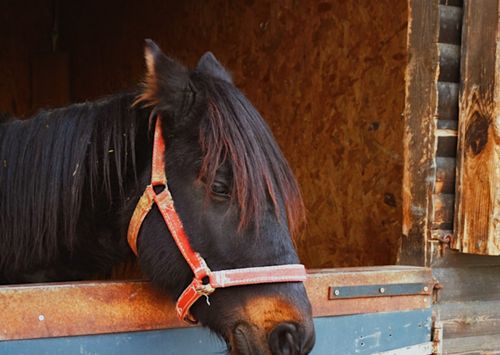
Anyone who has kept horses in the UK knows the struggle of a summer plagued by horseflies and a winter that seems to arrive sideways in the form of horizontal rain. A well-built field shelter gives your horse somewhere to escape both. It is not simply a luxury for pampered ponies; it is genuine welfare provision. Horses are surprisingly hardy, but they still need relief from driving rain, blazing sun, and the relentless wind that sweeps across exposed paddocks.
The good news is that a safe shelter does not have to be elaborate or expensive. What matters far more is where you put it, how it is constructed, and how often you check it. Get those three things right and your shelter will serve your horse for years. Get them wrong and you may find yourself with a lame horse, a flooded floor, or a structure that shifts in the first gale of autumn.
Choosing the Right Spot
Position is everything, and the most common mistake is placing a shelter wherever it happens to look neat from the yard. Horses know better than we do where the wind comes from, so watch your paddock on a wet and windy day before you commit to a location.
- Well-drained ground: Standing water is the enemy of hooves. Choose the highest, driest corner of the field you can, and avoid the dip where water naturally collects after heavy rain.
- Natural windbreaks: A shelter backed by a hedge, treeline, or bank will feel considerably more inviting than one exposed on all sides.
- Open frontage facing away from prevailing weather: In most of the UK, the worst weather arrives from the south-west. Angle the opening so the horse can stand inside without rain blowing directly onto them.
- Firm access: You need to reach the shelter with a wheelbarrow in February. Muddy gateways that turn into bogs make routine mucking out a misery.
- Room to move: Leave space around the structure so a horse cannot get trapped between the shelter and a fence, and so you can walk right around it for inspections.
If your field is flat and exposed, it is often worth raising the site slightly with hardcore and a layer of compacted stone before the shelter goes down. A little groundwork now saves a great deal of hoof trouble later.
Size, Structure and Roofing
A shelter needs to be big enough for the number of horses likely to use it at once, plus a bit of extra room for the one at the bottom of the pecking order. As a rough guide, allow around 3.5 metres by 3.5 metres for a single horse, and add generous space for each additional animal. Cramped shelters lead to squabbles, and squabbles lead to kicks.
The roof deserves particular attention because it is the part most likely to cause injury. Check the following:
- Secure roofing sheets: Every sheet should be firmly fixed with the correct fastenings. Loose or flapping sheets are terrifying in wind and can lift entirely in a storm.
- No protruding nails or screws: Run your hand, carefully, along the underside of the roof and along every timber edge. A horse that raises its head sharply should never meet a sharp point.
- Adequate overhang: A modest overhang keeps rain out of the entrance, but an excessive one catches the wind like a sail. Keep it proportionate.
- High entrance: The opening should be tall enough that even a horse throwing its head up will not strike the lintel. This is a common cause of nasty poll injuries.
- Smooth, treated timber: Use sturdy, well-seasoned timber and treat it with animal-safe products. Avoid splintered edges and exposed nails.
Ground Surface and Drainage
Inside a shelter, the flooring matters as much as the structure. Bare earth quickly becomes a quagmire in winter, and deep mud is a perfect environment for thrush and mud fever. A layer of compacted hardcore topped with a free-draining surface such as sand, or rubber matting over a firm base, keeps hooves dry and makes daily skipping out far easier.
Check that water cannot run in from the surrounding field. A shallow drainage channel or a slight lip at the entrance can make a surprising difference during prolonged rain. If the shelter regularly floods, the site needs attention rather than a quick fix, so be prepared to dig it out and start again.
Routine Safety Checks
A shelter is only as safe as its last inspection. Weather, rodents, and bored horses all take their toll, so build a habit of walking around the structure at least once a month, and after every storm.
- Sharp edges and splinters: Run gloved hands over posts, rails, and internal corners. Sand down or replace anything rough.
- Protruding nails and screws: Tap home or remove any that have worked loose.
- Roof integrity: Look for lifted sheets, cracked panels, and leaks from ground level and, if safe to do so, from a suitable vantage point.
- Structural stability: Push against the posts and check that the frame does not rock. Replace rotten timber promptly rather than patching repeatedly.
- Ground conditions: Remove droppings daily, and top up or replace the surface before it turns to mud.
It helps to keep a small repair kit nearby: spare nails, a hammer, sandpaper, and a pot of animal-safe wood treatment. Small jobs tackled immediately rarely become large, expensive problems.
Making the Shelter a Place They Want to Use
A shelter that horses avoid is money wasted. Encourage use by keeping it clean, dry, and free from draughts that whistle through gaps. Good ventilation near the roof prevents condensation and stale air, while solid walls at the back and sides provide genuine protection. Place hay and water close by so the shelter becomes the natural hub of the paddock, and always provide shade and shelter access alongside adequate grazing.
Pay attention to herd dynamics, too. If one horse guards the entrance and drives others away, consider a second shelter or an open-sided design with more than one usable space. Every horse in the field should be able to get out of the weather at the same time.
Get the site, the build, and the upkeep right, and a simple field shelter becomes one of the hardest-working pieces of kit on your yard. Your horse will thank you for it, usually by standing in it looking deeply unimpressed, which as any horse owner knows is the highest compliment available.
tag: Paddock Care

Emily Hartley Author
Reduce flies by removing wet bedding and muck daily. Use fly rugs, masks and safe repellents, and keep water troughs clean.
YOU MAY ALSO LIKE
Fly Control Strategies for Stable and Paddock
Jul 29
10Lunging builds fitness and obedience without a rider. Use a properly fitted cavesson, gloves and a lunge whip, and work equally on both reins.
read more
How to Lunge a Horse Safely and Effectively
Jul 27
10Regular dental checks prevent pain and weight loss. Signs of trouble include quidding, head tossing and difficulty chewing hay or hard feed.
read moreHorse Care
-

ERRIC CATONA
Teach your horse to stand quietly for hoof handling. Clean legs beforehand, tie up safely and have treats ready to reward good behaviour.
May 19, 2016 at 5.12 pm
Reply
ERRIC CATONA
Hay quality affects digestion and respiratory health. Look for sweet-smelling, dust-free bales and match energy content to your horse's workload.
May 19, 2016 at 5.12 pm
Reply -
ERRIC CATONA
Autumn rain can turn paddocks muddy. Rest gateways, use grass mats and remove fallen leaves to protect grazing and hoof health.
May 19, 2016 at 5.12 pm
Reply
Stable Management
Your email address will not be published.