
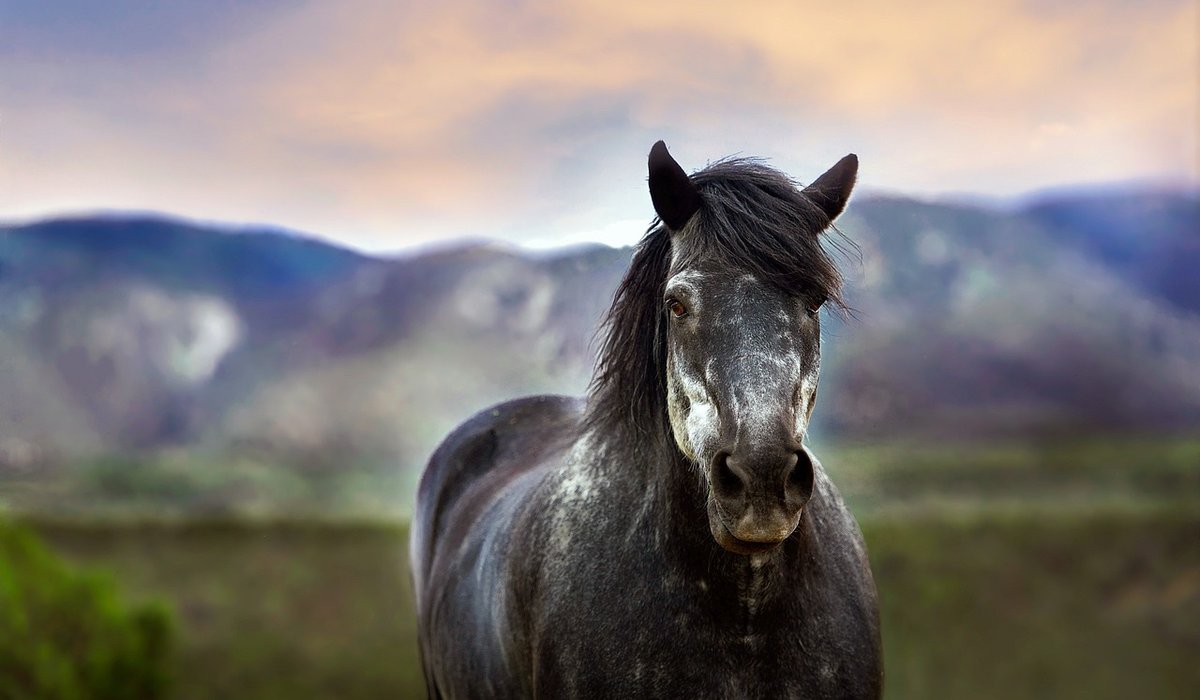
First Aid Kit Essentials for Horse Owners
Why Every Yard Needs a Proper First Aid Kit
Horses are wonderfully robust animals, but they are also experts at finding trouble. A nick from a fence, a puffy leg after a hard session in the school, a stone bruise on a hack — these things happen, often at the least convenient moment. When they do, the last thing you want is to be rummaging through a dusty feed room looking for a bandage while your horse stands patiently bleeding.
A well-prepared first aid kit is one of the kindest things you can do for your horse and for yourself. It will not replace your vet, but it will let you act calmly and correctly in those first important minutes, which often makes a real difference to the outcome. Whether you keep your horse at home or on a busy livery yard, having your own kit means you are never reliant on someone else's supplies.
The Core Contents of a Good Kit
You do not need a veterinary surgery's worth of equipment, but you do need the right basics. Start with a sturdy, cleanable box or a lidded plastic tub — something that keeps dust and damp out and can be wiped down easily.
- Self-adhesive bandages in a couple of widths, plus a roll of cohesive bandage for holding dressings in place.
- Vet wrap or conforming bandage for padding under a support bandage.
- Sterile dressings and gauze swabs for covering open wounds.
- Cotton wool for cleaning around wounds and applying lotions.
- Wound gel or antiseptic ointment suitable for horses, for minor cuts and grazes.
- Saline solution in sealed pods or a bottle for flushing grit and dirt from wounds.
- A digital thermometer with a cord or a reliable rectal thermometer — normal equine temperature sits around 37.5 to 38.5°C.
- Blunt-ended scissors for cutting bandages without risking a stab wound to you or the horse.
- Farrier's or wire cutters in case of a horse caught in fencing or a lost shoe.
- Latex-free gloves to keep wounds clean and protect your hands.
- Self-adhesive tape and a marker pen for labelling and dating dressings.
You may also want to add poultice boots or a ready-made poultice, a hoof pick reserved for the kit, and a small torch for evening checks. A spare lead rope and headcollar kept nearby is never a bad idea either.
Storing Your Kit So It Works When You Need It
The best kit in the world is useless if you cannot find it or if it has been raided for plaiting bands. Choose one location and keep it there — a tack room shelf or a wall-mounted cabinet that is easy to reach in a hurry. Make sure everyone who handles your horse knows where it lives and what is inside.
Keep the kit away from direct sunlight and damp, as both will degrade bandages and dressings. If your yard is cold and unheated, that is fine, but avoid storing it somewhere that freezes or where mice can get in. A quick check after every use, putting items back where they belong, saves a frantic search later. It is also worth keeping a smaller travel kit in the lorry or trailer for shows and clinics.
Checking Expiry Dates and Restocking
Medical supplies do not last forever. Saline, wound gels, antiseptics and sterile dressings all carry expiry dates, and adhesive bandages lose their grip over time. Set yourself a reminder to go through the kit twice a year — the start of spring and the start of autumn are easy dates to remember.
During that check, replace anything out of date, top up items you have used, and give the box a wipe out. Make a note of what you have used so you can replace it next time you are at an equestrian shop. If you have used a lot of one item, it is worth buying two of it so you are never caught short.
What Belongs in the Yard, Not the Kit
Some items are simply too big or too messy for a portable kit but still essential on the yard. A hose with a gentle flow is invaluable for cold hosing a hot or swollen leg. A bucket and clean sponge should be kept for wound care only, never for washing boots. A spare ice pack or two in the freezer can be wrapped in a towel for reducing swelling.
It is also worth pinning up your vet's out-of-hours number, along with a note of your horse's age, breed, known allergies and any regular medication. When you are worried and in a hurry, having that information to hand makes the call easier and helps your vet give you better advice straight away.
Knowing When to Call the Vet
A first aid kit is for the minor and the immediate — a small cut, a mild graze, a puffy leg you want to cold hose while you wait. It is not a substitute for professional care, and knowing the difference is part of being a responsible owner.
Call your vet promptly for anything involving heavy bleeding, a deep or gaping wound, a puncture near a joint or tendon, a foreign body in the eye, sudden severe lameness, colic signs, or a temperature outside the normal range. When in doubt, ring them. No vet has ever minded a cautious phone call, and they would far rather hear from you early than see a problem that has been brewing for days.
Keep your kit clean, keep it stocked, and keep it where you can find it. Do that, and you will handle the small dramas with confidence — leaving you free to enjoy the far more common pleasure of a quiet, healthy horse and a good day in the countryside.
tag: Equine Health

Emily Hartley Author
Ice and debris stop horses drinking enough. Break ice twice daily, remove leaves and scrub troughs weekly to prevent algae and bacteria.
YOU MAY ALSO LIKE
How to Keep Water Troughs Clean in Winter
Jul 3
10Equine insurance can cover vet fees, liability and loss of use. Compare policies carefully and read exclusions before choosing cover for your horse.
read more
Understanding Equine Insurance and Veterinary Costs
Jul 1
10Selecting a turnout or stable rug depends on clip, weather and horse breed. Learn layering and fit checks for comfort.
read moreHorse Care
-

ERRIC CATONA
Daily mucking out keeps beds clean and reduces ammonia. Gather fork, wheelbarrow and gloves before starting the task.
May 19, 2016 at 5.12 pm
Reply
ERRIC CATONA
Picking out hooves daily prevents stones and thrush. Regular farrier visits maintain balance and support healthy hoof growth throughout the year.
May 19, 2016 at 5.12 pm
Reply -
ERRIC CATONA
Colic signs include rolling, pawing and loss of appetite. Contact your vet immediately if symptoms persist or worsen within a short time.
May 19, 2016 at 5.12 pm
Reply
Stable Management
Your email address will not be published.