
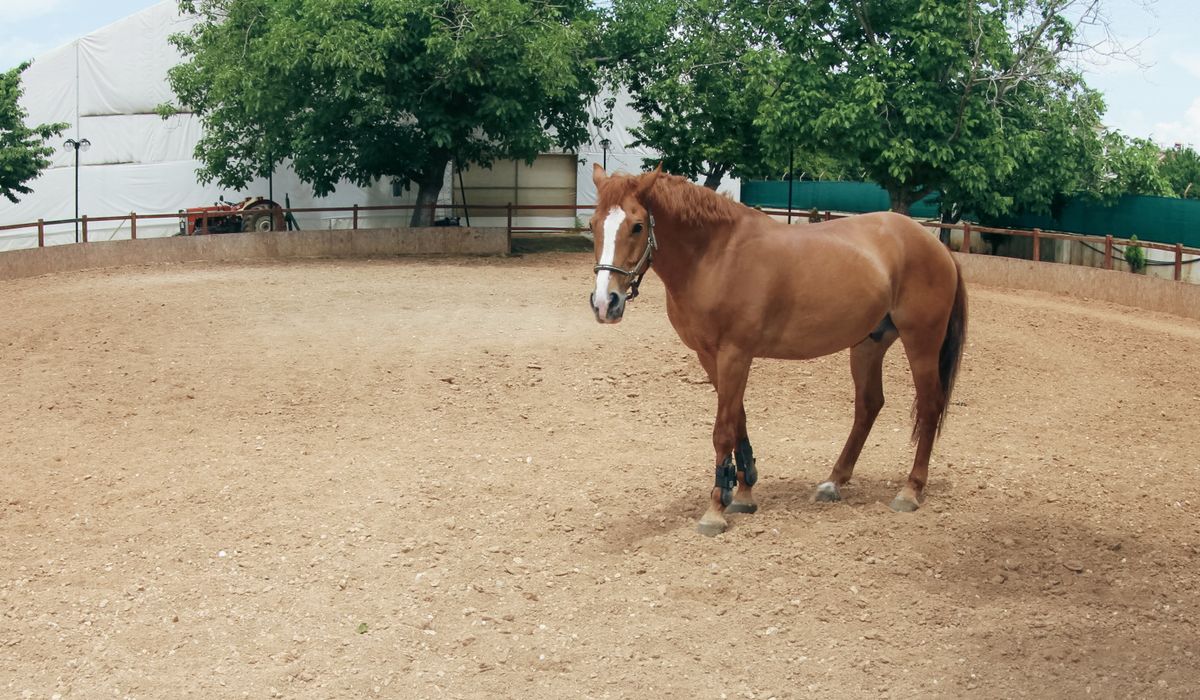
How to Choose the Right Rug for Your Horse
Choosing the right rug for your horse is one of those jobs that looks simple until you're standing in a tack room surrounded by different weights, deniers and neck covers. Get it right, and your horse is comfortable, dry and content. Get it wrong, and you're dealing with rubs, overheating or a shivering horse on a cold morning. The good news is that a few key principles – clip, weather, breed and fit – will guide you to the right choice every time.
Start with the Clip and Coat
The first question is not what rug you like, but what coat your horse is wearing. A full clip removes almost all the natural insulation, so that horse will need more rug than an unclipped native pony. A hunter clip leaves the legs and saddle patch, while a trace or Irish clip removes less. The less hair removed, the less rug you generally need.
Breed and type matter just as much. A fine-coated Thoroughbred or warmblood will feel the cold more than a hardy native, a cob or a Shetland. Older horses, poor doers and those with health conditions may also need extra warmth. On the other hand, an unclipped native in good condition often needs nothing more than a no-fill rain sheet to keep the worst of the weather off.
Turnout or Stable? Match the Rug to the Job
Turnout rugs are designed for the field. They are waterproof, breathable and made from tough fabrics – usually 600 denier or higher – to withstand mud, rain and the occasional hedge. Stable rugs are not waterproof and should never be used outside; they are lighter, warmer and designed for indoor use.
Fill weight is your main temperature guide. A 0g no-fill turnout is ideal for mild, wet days or for unclipped horses. A 50g or 100g rug suits cooler weather, while 200g is for cold days and clipped horses. For freezing conditions or a fully clipped horse in work, 300g or more may be needed. Always check the forecast, not just the season.
The Art of Layering
Layering gives you flexibility without buying a rug for every temperature. A breathable liner under a turnout rug adds warmth without bulk, and you can swap liners as the weather changes. For example, a 100g turnout with a 100g liner gives you roughly 200g of warmth – ideal for a clipped horse on a frosty morning.
- Use a liner that wicks moisture away from the skin.
- Ensure the turnout is large enough to accommodate the liner without tightness.
- Avoid combining a stable rug and turnout if it causes pressure or rubs.
- Check your horse daily for signs of overheating: sweating, damp coat or distress.
Fit Checks: Comfort and Safety
A rug that doesn't fit will rub, slip or restrict movement. Start at the chest: you should be able to slide a flat hand between the rug and your horse's chest, but not so much that the rug slips back. The neck opening should allow free movement of the head and neck without gaping.
Surcingles should be adjusted so you can fit two fingers between the strap and your horse's belly. Leg straps, if used, should be crossed and snug – again, two fingers of space. A fillet string should sit clear of the hindquarters. After turning out, watch your horse for twenty minutes: roll, walk and trot. Then check for rubs at the shoulders, withers and chest.
Fabric, Fill and Breathability
Denier refers to the thickness of the outer fabric. A 600D rug is fine for light turnout, but 1200D or more is better for a horse that lives out in rough pasture. Breathability is just as important as waterproofing: without it, moisture builds up inside and your horse can become chilled. Look for seam-sealed, ripstop fabrics and a breathable membrane.
Fill can be synthetic or natural. Synthetic fills are easy to wash and dry quickly. Whatever you choose, check the lining – a smooth nylon or anti-rub lining reduces friction. Fleece linings add warmth but can be too hot for mild days.
Seasonal Swings and Common Mistakes
Spring and autumn are the trickiest seasons. Temperatures can swing from frost to sunshine in a day. A 0g turnout with a detachable neck cover, plus a liner you can add or remove, is a practical solution. Avoid the two most common mistakes: over-rugging and under-rugging.
Over-rugging causes sweating, dehydration and discomfort, and it can ruin a coat. Under-rugging leads to shivering, weight loss and a tucked tail. Learn your horse's individual needs – feel the ears, the base of the ears and the body. If in doubt, feel under the rug at the shoulder. A warm, dry horse is a comfortable horse. Wash and reproof your rugs regularly, and always have a spare so you're never caught out by a sudden downpour.
tag: Horse Care

Sophie Bennett Author
Daily mucking out keeps beds clean and reduces ammonia. Gather fork, wheelbarrow and gloves before starting the task.
YOU MAY ALSO LIKE
A Beginner's Guide to Mucking Out a Stable
Sep 21
10Picking out hooves daily prevents stones and thrush. Regular farrier visits maintain balance and support healthy hoof growth throughout the year.
read more
Essential Hoof Care Routines for Happy Horses
Sep 17
10Colic signs include rolling, pawing and loss of appetite. Contact your vet immediately if symptoms persist or worsen within a short time.
read moreHorse Care
-

ERRIC CATONA
A well-fitted bridle avoids pressure points and rubbing. Check browband, noseband and bit height with clean hands and patience.
May 19, 2016 at 5.12 pm
Reply
ERRIC CATONA
Wear high-visibility clothing, ride single file and thank drivers. Plan routes away from busy times and check traffic conditions before setting out.
May 19, 2016 at 5.12 pm
Reply -
ERRIC CATONA
Mud fever causes scabs and swelling on lower legs. Keep skin dry, use barrier creams and seek veterinary advice for severe or spreading cases.
May 19, 2016 at 5.12 pm
Reply
Stable Management
Your email address will not be published.