
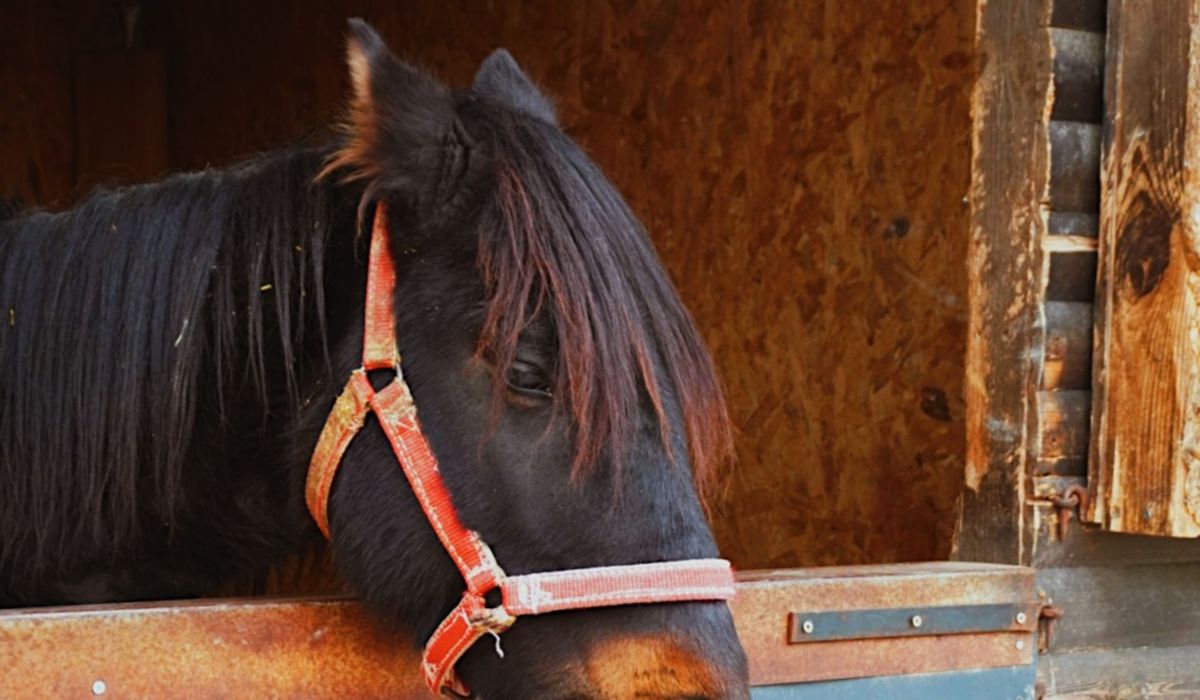
How to Lunge a Horse Safely and Effectively
Why Lunging Earns Its Place in the Yard Routine
Lunging is one of the most versatile tools in equestrian care. It allows you to build fitness without the weight of a rider on the horse's back, which makes it invaluable for a horse returning from injury, a youngster being prepared for backing, or a fit horse who simply needs to stretch and work on the days you cannot ride. It is also a brilliant way to observe how your horse moves from the ground. Watching him track up on a circle, you will spot uneven steps, a stiff shoulder or a reluctance to bend long before you would feel it in the saddle.
Done well, lunging improves obedience, balance and rhythm. Done badly, it is a fast route to a sore, sour horse. The difference lies entirely in the detail: the right kit, a sensible surface, and a calm, consistent handler.
The Kit You Actually Need
You do not need much, but what you do need must fit properly. A poorly fitting cavesson is one of the most common causes of a horse leaning on the line or tossing his head.
- A well-fitted lunge cavesson. The noseband should sit about two fingers' width below the cheekbone, snug enough that it cannot rotate, but never so tight that it pinches. The metal rings should sit clear of the horse's eye and jaw.
- A lunge line of at least 8 metres, with no loops or knots that could catch your fingers. Cotton is kinder on the hands than nylon.
- Gloves. Always. A thin leather or synthetic glove protects your palms from friction burns and gives you a far better grip if the horse decides to take charge.
- A lunge whip. This is an extension of your arm, not a weapon. It should never touch the horse; it simply creates a boundary behind his shoulder.
- Boots or bandages on all four legs. A horse on a circle is more likely to brush or overreach, particularly in the early weeks.
- A hard hat and sensible boots with a defined heel for yourself.
Setting Up Before You Begin
Choose a level, well-maintained surface. A deep, holding arena is exhausting and puts strain on tendons; a rock-hard, rutted one is worse. If you are working in an open field, pick a spot on level ground well away from fences, gateways, jumps and other horses. A 20-metre circle is the standard, though a young or unbalanced horse will manage better on a larger figure at first.
Warm up by leading your horse in hand around the arena for five minutes in walk. Check your girth or roller if you are using side reins, and make sure any boots are sitting flat with no grit underneath. Take a moment to establish calm: if your horse is jogging or staring at something in the hedge line, work him in hand until his attention is on you.
The Mechanics of a Good Circle
Stand at roughly the horse's shoulder, facing his ribs, with your body slightly behind the drive line. Hold the line in your left hand with the excess neatly coiled — never wrapped around your hand or wrist — and carry the whip in your right, pointing it low and towards his hocks.
Ask the horse to walk on with a quiet, single command word, then let him move out on the circle. Your job is not to pull him round; it is to send him forward and allow the circle to form. Keep your inside hand still and low, giving small squeezes on the line only when you need to steady or slow him. If he drifts out, raise the whip towards his shoulder. If he drifts in, step slightly towards his head and use the whip a little further back towards his hindquarters.
Your voice is your most useful aid. Decide on a word for each pace — "walk", "trot", "canter", "whoa" — and use it every single time, in the same tone. Horses learn this surprisingly quickly, and a horse who comes down a transition on a voice command alone is a pleasure to lunge.
Working Equally on Both Reins
This is where many horses quietly develop problems. Most handlers favour one rein, often the left, and work it for longer because it feels easier. Over months, that asymmetry shows up as a horse who is stiff to the right and hollow to the left. As a rule, whatever you do on one rein, do on the other. If you trot for four minutes on the left, trot for four on the right.
A sensible session looks something like this: five minutes of walk on each rein to warm up, then short bursts of trot with plenty of transitions, allowing a walk break every few minutes. Canter can be added once the horse is warm and balanced, kept to a few circles at a time. Finish with ten minutes of walk on a long rein, then untack and check the legs.
Common Mistakes to Avoid
- Lunging for too long. Twenty to thirty minutes of quality work is plenty. Circling is harder than it looks.
- Holding the line tight. A constant contact drags the horse's head inwards and makes him lean on your hand.
- Standing still. Move with the horse around the circle so the line stays at a consistent angle.
- Cracking the whip. Sudden noise frightens horses and teaches nothing. Use it as a visual boundary only.
- Ignoring a tail swish or pinned ears. Both mean the horse is uncomfortable or confused. Stop, check your kit, and go back a step.
Lunging rewards patience. Ten focused minutes three times a week will do more for a horse's way of going than an hour of aimless circling ever could — and you will see the improvement in his back, his manners and his way of carrying himself under saddle.
tag: Riding Tips

James Whitaker Author
Regular dental checks prevent pain and weight loss. Signs of trouble include quidding, head tossing and difficulty chewing hay or hard feed.
YOU MAY ALSO LIKE
Understanding Horse Dental Care and Floating
Jul 25
10Teach your horse to stand quietly for hoof handling. Clean legs beforehand, tie up safely and have treats ready to reward good behaviour.
read more
Preparing Your Horse for the Farrier Visit
Jul 20
10Hay quality affects digestion and respiratory health. Look for sweet-smelling, dust-free bales and match energy content to your horse's workload.
read moreHorse Care
-

ERRIC CATONA
Autumn rain can turn paddocks muddy. Rest gateways, use grass mats and remove fallen leaves to protect grazing and hoof health.
May 19, 2016 at 5.12 pm
Reply
ERRIC CATONA
A well-stocked first aid kit includes bandages, wound gel, thermometer and scissors. Keep it clean, accessible and check expiry dates regularly.
May 19, 2016 at 5.12 pm
Reply -
ERRIC CATONA
Ice and debris stop horses drinking enough. Break ice twice daily, remove leaves and scrub troughs weekly to prevent algae and bacteria.
May 19, 2016 at 5.12 pm
Reply
Stable Management
Your email address will not be published.