
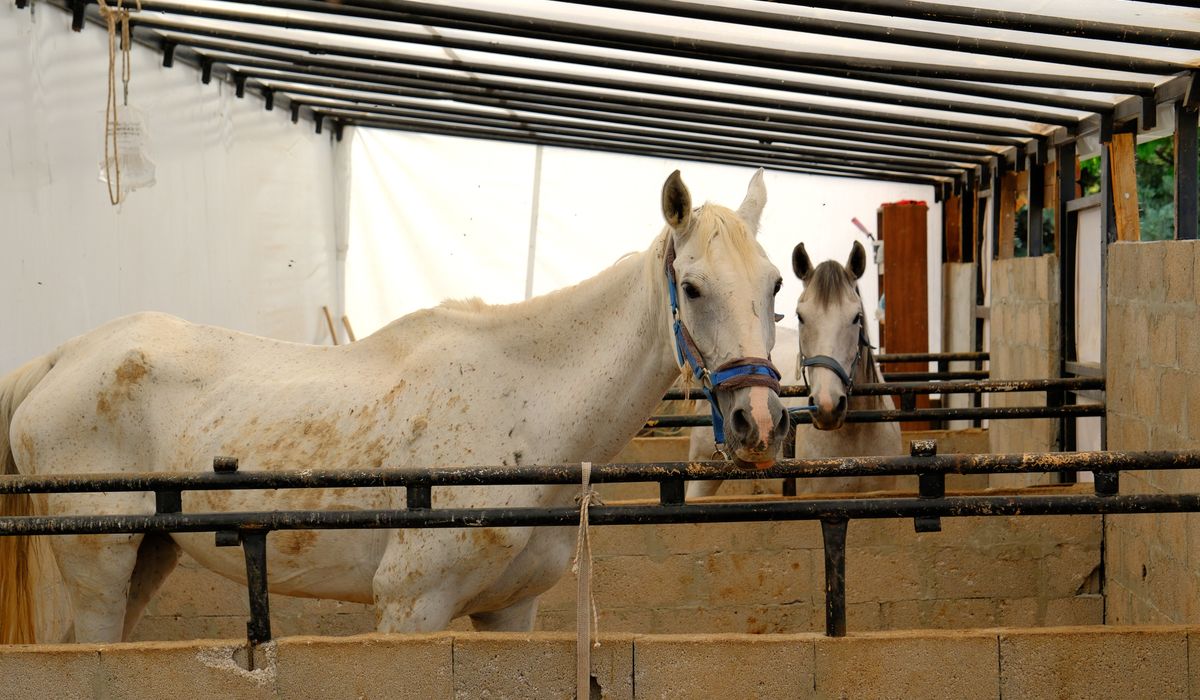
Recognising and Treating Mud Fever in Horses
What Mud Fever Actually Is
Mud fever — properly known as pastern dermatitis — is a skin condition affecting the lower legs, most often the back of the pastern and the heel. The name is slightly misleading, because mud itself isn't the real culprit. Prolonged wetness softens and damages the skin's protective barrier, and once that barrier is compromised, bacteria and sometimes fungi move in.
That's why it's so common in Britain between October and March, when gateways turn to slop and horses stand in wet conditions for hours at a time. It's also why a horse kept on dry, well-drained land rarely suffers, and why hosing the mud off every evening without drying the legs properly can actually make things worse.
The principle worth holding on to is simple: dry, intact skin resists infection; wet, softened skin doesn't.
Spotting the Signs Early
Mud fever rarely appears overnight. Catch it in the first day or two and it's usually straightforward to manage; leave it a fortnight and you may be dealing with a swollen, painful leg and a call to the vet.
Work through the legs with your hands rather than just looking. Early signs include:
- Small, gritty scabs or crusts on the back of the pastern, feeling like coarse sand under the hair
- Matting or clumping of the hair around the heels
- Redness, soreness or a greasy, weeping patch beneath a scab
- Mild heat or puffiness in the lower leg
- Reluctance to have the leg handled, or resentment when you touch the area
More advanced cases show thickened, cracked skin, clear swelling up the cannon, and lameness. If the leg is swollen to the point where the joints look filled out, or your horse is lame, that's a veterinary matter rather than a grooming one.
Know Your Risk Factors
Some horses seem to attract mud fever no matter what you do. Heavy feathering is a major factor — it traps moisture and mud close to the skin and makes drying the legs thoroughly far harder. White legs and pink skin are more vulnerable, and finer-skinned types often seem prone too.
Management contributes as much as conformation, though. Constant turnout on poached, boggy ground, standing in deep mud at the gate, being washed down and turned out wet, or sharing contaminated grooming kit and boots all increase the risk. Once a horse has had mud fever, the skin stays fragile for weeks afterwards, so a second bout is easy to trigger.
Daily Management: Keep the Legs Dry
Prevention is mostly about moisture control, and there are several practical routes to it.
- Limit the worst of the mud. Rotate paddocks, put hardcore or rubber matting around the gateway, and consider strip grazing the driest field over winter.
- Bring in for part of the day. Even a few hours on clean, dry bedding lets the skin recover and gives you a chance to check and dry the legs.
- Don't wash unless you can dry. If legs are muddy, let them dry and brush the mud off rather than hosing. Leaving legs wet at evening stables in December is asking for trouble.
- Dry thoroughly when you do wash. Towel dry with a clean, dedicated cloth, then allow time in the stable. Never share towels between horses.
- Consider clipping. Removing heavy feather from the lower legs makes drying and inspection dramatically easier. It grows back — comfort comes first.
Barrier Creams and Treating Existing Scabs
Barrier creams are the workhorse of mud fever prevention, but timing matters. Apply them to clean, dry skin before turnout — putting cream over mud traps dirt against the skin and makes matters worse. Zinc oxide and castor oil preparations are traditional and effective; pig oil and sulphur remains popular in hunting yards, though patch-test it first, as some horses react.
If scabs have already formed, the aim is to soften and lift them gently, not to pick them off. Picking dry scabs tears the skin and sets healing back days.
- Soften scabs with a warm, dilute antiseptic wash or a gentle cream, and leave for several minutes.
- Work them loose with fingertips over a few sessions rather than in one go.
- Never pull a scab that bleeds. Stop and try again tomorrow.
- Once the skin is clean and dry, apply an antiseptic cream — silver sulphadiazine is often recommended — followed by a barrier product.
- Keep the area clean and dry between treatments, and disinfect boots, brushes and scissors you've used.
Improvement should be visible within a few days. If it isn't, or if the area is spreading, it's time for professional help.
When to Call the Vet
Ring your vet if the leg is swollen, if your horse is lame, if the skin is cracked and weeping, if the affected area is spreading up the leg, or if there's no improvement after several days of consistent treatment. Deep infections and cellulitis need prescription antibiotics, and delay makes them harder to clear. Mud fever that doesn't respond may also be something else entirely — rain scald, a fungal infection, photosensitisation or a contact allergy — and a proper diagnosis saves weeks of guesswork.
Mud fever is tedious rather than dramatic, and the horses that cope best are usually the ones whose owners keep a simple, consistent routine: check the legs daily with your hands, keep them dry, use a barrier cream before the mud rather than after, and call for help early when something isn't right.
tag: Equine Health

James Whitaker Author
Straw, shavings and pellets each offer different absorbency and cost. Consider storage, disposal and horse allergies before making your choice.
YOU MAY ALSO LIKE
Choosing Bedding Materials for a Horse Stable
Aug 28
10Introduce new horses over a fence first to reduce injury risk. Monitor behaviour closely and provide plenty of space and hay.
read more
How to Introduce a New Horse to the Herd
Aug 25
10Horses can overheat when rugged too heavily in mild British winters. Check ears and armpits, and adjust layers as temperatures change daily.
read moreHorse Care
-

ERRIC CATONA
Harrowing, resting and removing ragwort improve pasture quality. Rotate grazing areas to prevent poaching and reduce worm burden naturally.
May 19, 2016 at 5.12 pm
Reply
ERRIC CATONA
Wipe leather after every ride to remove sweat and dirt. Use saddle soap and conditioner regularly, and store tack in a dry, ventilated area.
May 19, 2016 at 5.12 pm
Reply -
ERRIC CATONA
Groundwork, consistent routines and calm handling help nervous youngsters. Introduce new objects slowly and reward relaxed behaviour with praise.
May 19, 2016 at 5.12 pm
Reply
Stable Management
Your email address will not be published.