
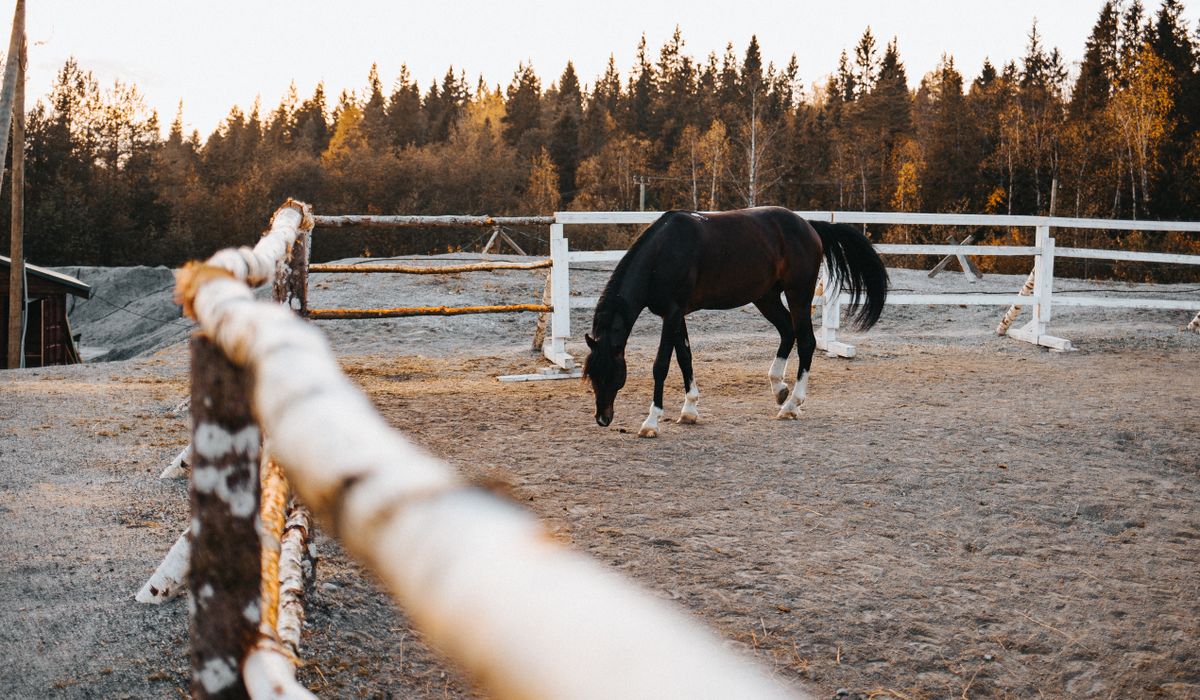
Essential Hoof Care Routines for Happy Horses
Why Daily Hoof Care Pays Off
A horse's hoof grows at roughly 6–10mm a month, which means the horn you're looking at today is nothing like the horn you'll be trimming in the spring. That constant growth is a blessing — it gives you a fresh start every few weeks. It's also a warning, because anything packed into the sole sits against living tissue until someone removes it. A sharp flint, a wedge of frozen mud, a pocket of droppings: left for a day or two, a small stone bruises the sole. Left longer, it can work its way in and cause an abscess that takes weeks to resolve.
Picking out hooves takes about four minutes with a decent hoof pick. It is the cheapest piece of equine healthcare you will ever provide, and it gives you a daily chance to notice change while it is still small — a crack creeping down the wall, a little heat in the coronet, a faint sour smell that hints at thrush.
The Daily Pick-Out, Done Properly
Technique matters more than speed. Work methodically and your horse will learn to stand quietly for it.
- Stand to the side, not in front, facing the horse's hindquarters with your shoulder near their shoulder. Run your hand down the leg before you ask for the foot, so you never surprise them.
- Pick from heel to toe, following the natural grooves either side of the frog. Never dig the point into the frog itself — it is sensitive and bruises easily.
- Check the central sulcus, the deep groove in the middle of the frog. It should be clean, dry and slightly open. If it is black, greasy or smells unpleasant, you have found thrush early.
- Brush out the sole and white line with a stiff brush after picking, so you can actually see what you're assessing.
- Compare all four feet. A foot that is warmer, more filled at the coronet or differently shaped from its opposite is telling you something.
If your horse snatches a foot away, leans heavily or flinches when you press the sole, don't simply correct the behaviour. Discomfort is the usual cause, and it deserves a closer look.
Spotting Trouble Early
Most hoof problems announce themselves quietly, long before your horse is lame. Learn what normal looks like on your own horse and the exceptions stand out.
- Thrush appears as black, foul-smelling material in the frog's grooves, often worst in wet weather or when bedding is left damp. Clean daily, keep the feet dry where you can, and treat with an appropriate hoof dressing.
- Bruising shows as reddish or purple discolouration in the sole, usually after hard ground or stony tracks. It often resolves with rest and a change of surface, but recurrent bruising means the workload or the footing needs rethinking.
- Abscess typically brings sudden, severe lameness with heat and a strong digital pulse. Keep the foot clean and poulticed and call your vet or farrier rather than digging around yourself.
- Cracks and seedy toe — a hollow, crumbly cavity at the toe — rarely appear overnight. They usually reflect a long-standing imbalance or a diet that isn't quite supporting horn quality.
Farrier Visits: The Backbone of Balance
Most horses need a farrier every four to six weeks. That interval isn't arbitrary: it is roughly how long it takes for a hoof to grow out of balance and start loading unevenly. A shod horse may need shoeing at four weeks in summer, when growth speeds up, and five or six in winter. A barefoot horse on abrasive ground often self-trims a little and may stretch to six or seven — but never assume, and never cancel simply because the feet "look fine".
A good farrier watches your horse walk away, not just the feet in front of them. Ask questions: how is the balance, is the hoof wall thick enough for nails, would a different shoeing cycle suit better? Write the next appointment in the diary before they pack up, and keep a simple note of anything that changed since the last visit. Patterns emerge quickly when you write them down.
Nutrition, Turnout and Movement
Horn is built from the inside. Forage should form the foundation of the diet, with a balanced vitamin and mineral supply to match your grazing. Biotin, zinc, methionine and adequate copper all support horn quality, but they work over months, not days — expect to wait six to nine months for real improvement to grow down.
Keep sugar and starch levels sensible, particularly for horses prone to laminitis, and remember that movement is what pumps blood through the foot. Horses stabled for long hours grow poorer feet than those turned out on well-drained pasture. Paddock time is hoof care, even when nobody is holding a pick.
Mud, Sun and Seasonal Adjustments
British weather asks a lot of hooves. In winter, standing in deep mud softens the sole and white line, opening the door to thrush and abscesses. Bring horses in for part of the day to dry their feet, pick out and brush off mud rather than hosing it, and rotate gateways and shelter areas so they aren't permanently poached.
In summer, sun-baked ground becomes unforgiving. Concussion bruising rises, and horses working on hard surfaces benefit from shorter, more frequent sessions rather than long ones. A hose-down and a cool, clean foot at the end of a hot day is never wasted effort. Whatever the season, the routine stays the same: pick out, look closely, and act on the small things before they become the expensive ones.
tag: Horse Care

James Whitaker Author
Colic signs include rolling, pawing and loss of appetite. Contact your vet immediately if symptoms persist or worsen within a short time.
YOU MAY ALSO LIKE
Understanding Equine Colic Signs and When to Call
Sep 14
10A well-fitted bridle avoids pressure points and rubbing. Check browband, noseband and bit height with clean hands and patience.
read more
How to Fit a Bridle Correctly for Comfort
Sep 8
10Wear high-visibility clothing, ride single file and thank drivers. Plan routes away from busy times and check traffic conditions before setting out.
read moreHorse Care
-

ERRIC CATONA
Mud fever causes scabs and swelling on lower legs. Keep skin dry, use barrier creams and seek veterinary advice for severe or spreading cases.
May 19, 2016 at 5.12 pm
Reply
ERRIC CATONA
Straw, shavings and pellets each offer different absorbency and cost. Consider storage, disposal and horse allergies before making your choice.
May 19, 2016 at 5.12 pm
Reply -
ERRIC CATONA
Introduce new horses over a fence first to reduce injury risk. Monitor behaviour closely and provide plenty of space and hay.
May 19, 2016 at 5.12 pm
Reply
Stable Management
Your email address will not be published.